
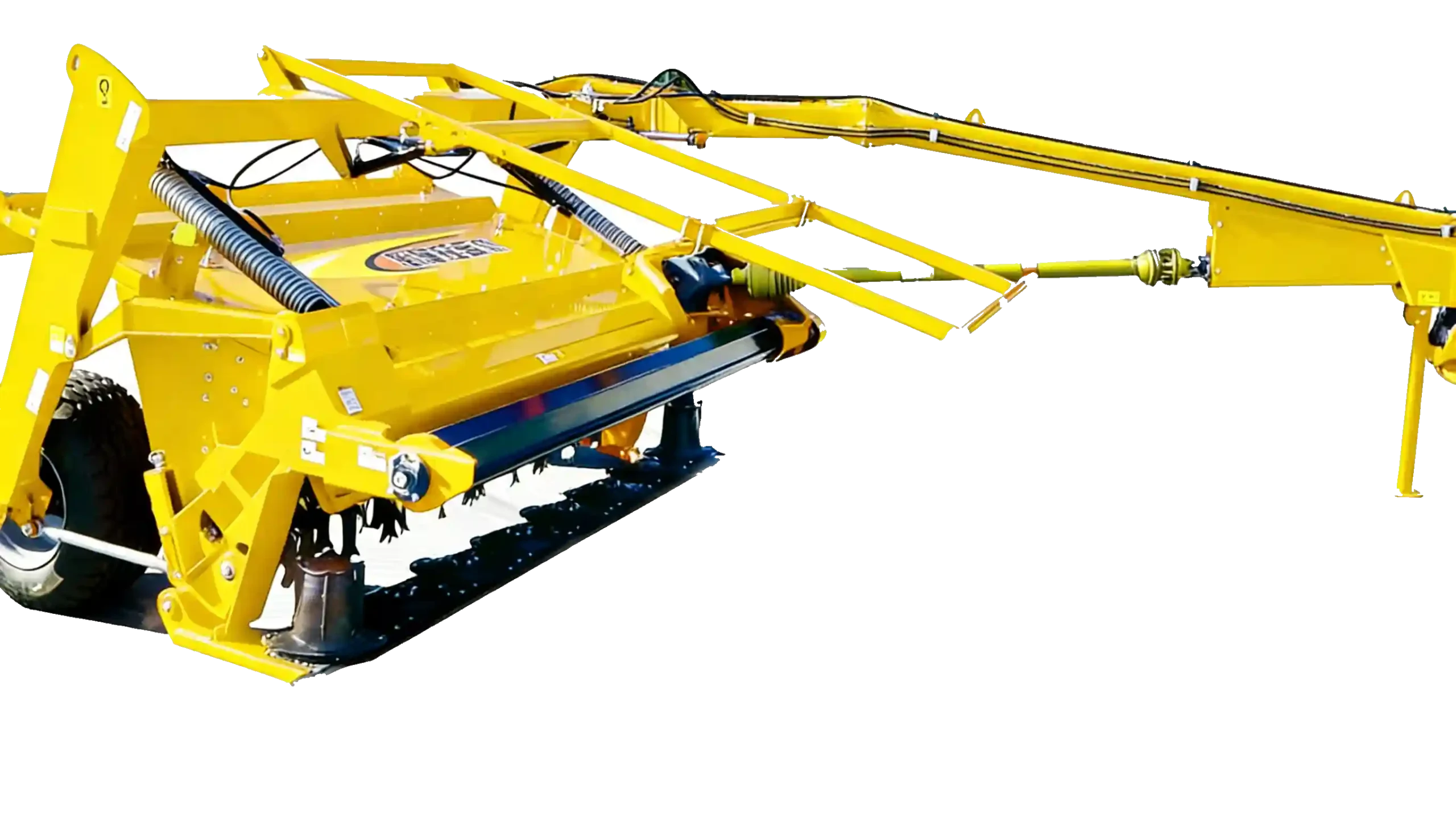
Description
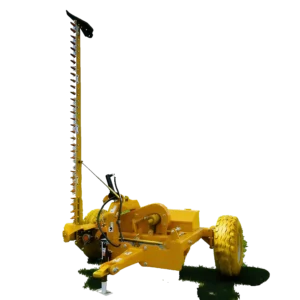
9GQY-3.2 Trailed Mower Conditioner Introduction
Uneven terrain and obstacles often cause blade damage and downtime—the 9GQY-3.2 Mower Conditioner solves this with a super-floating protection system and dual-suspension design, ensuring smooth cutting, reduced maintenance, and stable productivity across all field conditions.
We not only offer Mower Conditioner but also provide Hay rake and other products. Click below to learn more.
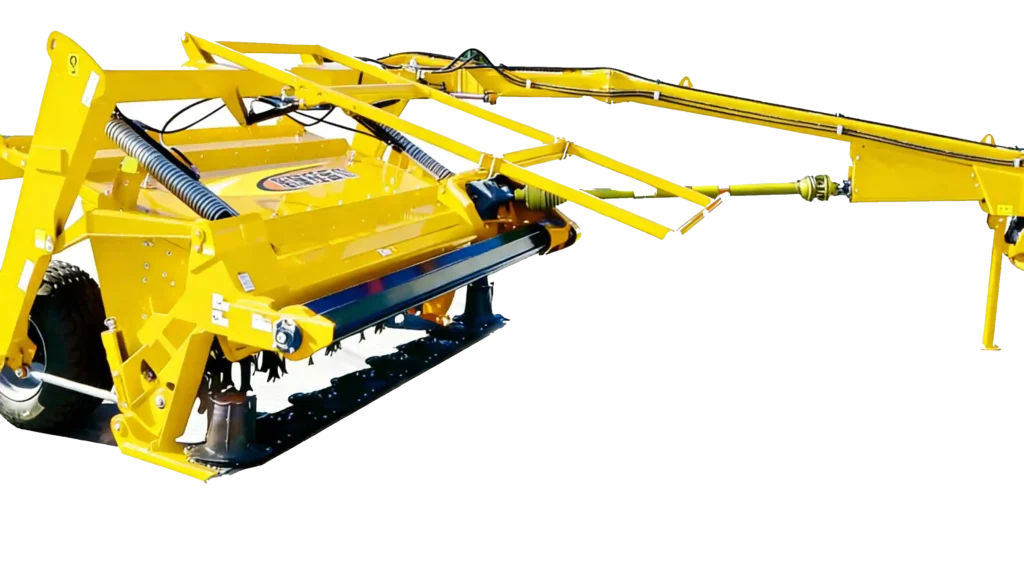
9GQY-3.2 Trailed Mower Conditioner
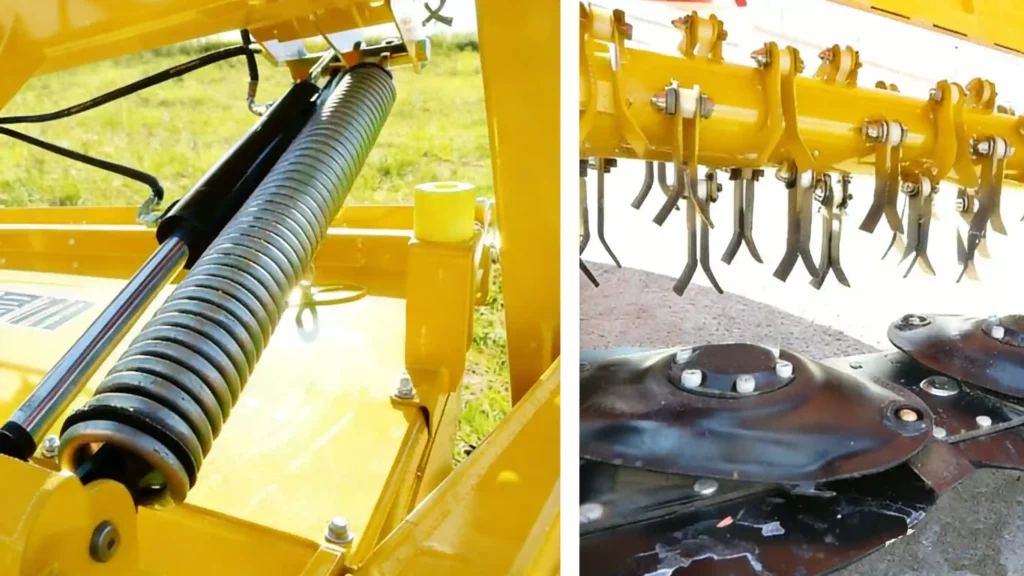
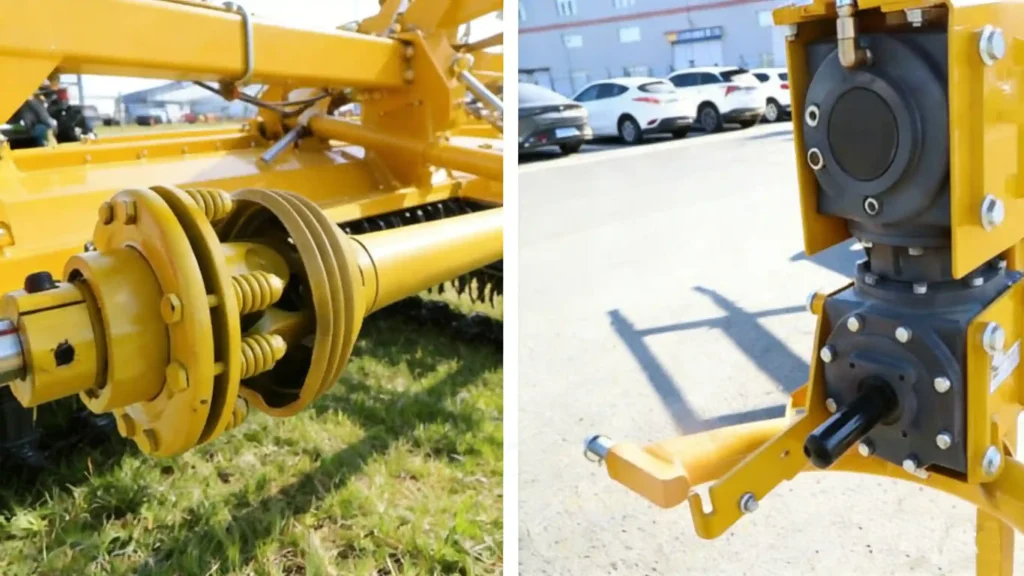
9GQY-3.2 Trailed Mower Conditioner Details
9GQY-3.2 Trailed Mower Conditioner specifications
| No. | Item | Specification | Unit |
|---|---|---|---|
| 2 | Model Name | 9GQY-3.2 Mower Conditioner | — |
| 3 | Hitch Type | Side-Trailed | — |
| 4 | Cutting Width | 3.2 | m |
| 5 | Cutter Structure | Rotary Type | — |
| 7 | Number of Discs | 8 | pcs |
| 8 | Conditioner Type | Flail Roller | — |
| 9 | Windrow Width | 0.8–2.2 | m |
| 10 | Power Requirement | >=80.88/110 | kW/hp |
| 11 | Working Speed Range | 6–15 | km/h |
| 12 | PTO Speed | 540–1000 | r/min |
| 13 | Number of Blades | 16 | pcs |
| 14 | Dimensions (L×W×H) | 6750×3500×2000 | mm |
| 15 | Average Cutting Height | 250 | mm |
| — | Operator | 1 | Person |
| — | Machine Weight | 2185 | kg |
9GQY-3.2 Trailed Mower-Conditioner Professional Maintenance Guide
1. Cutterbar and Blades System
The cutterbar is the core of the equipment. Worn or damaged blades not only increase fuel consumption but also lead to uneven cutting surfaces, affecting forage regrowth.
Blade Inspection: Inspect the blades every 8-10 hours of operation. If cracks, severe chipping, or dullness are found, replace them in pairs to maintain the dynamic balance of the cutterbar.
Blade Bolt Torque: Check the pre-tightening force of the blade fastening bolts. Loose bolts can lead to serious mechanical accidents.
Gearbox Oil Level: Check the gear oil in the cutterbar drive gearbox. Use SAE 90 or equivalent gear oil, ensuring the oil level is at the center of the oil sight glass.
2. Conditioning Rollers Adjustment
The conditioning effect directly determines the drying speed of the hay.
Gap Adjustment: Adjust the gap between the upper and lower rollers using the adjustment lever according to the thickness of the crop stems. The ideal state is to crush the stems without cutting them.
Tension Pressure: Check the spring tension of the conditioning rollers. The springs should provide sufficient clearance when encountering foreign objects such as stones.
Roller Surface Cleaning: After harvesting forage with high sugar content (such as alfalfa), the residue on the roller surface should be cleaned promptly to prevent it from drying and hardening, which could disrupt the operation balance.
3. Drive System & Lubrication
The 9GQY-3.2 uses a PTO (Power Take-Off) drive system, and lubrication is crucial for preventing malfunctions.
PTO Drive Shaft: Grease the universal joint cross and telescopic tube every 8 hours.
Main Gearbox: Change the gear oil after the first season of operation, and then every two years or every 500 operating hours.
Side Chains/Belts:
- Chains: Maintain proper tension and regularly apply chain lubricant.
- Belts: Check for wear and cracks. Re-check the tension after 10 hours of operation with a new belt.
4. Hydraulic and Suspension System
Header Ground Pressure: Adjust the pressure of the header on the ground by adjusting the tension springs. Excessive pressure will lead to increased wear on the cutter bar, while insufficient pressure will result in unstable cutting height.
Hydraulic Lines: Check the connections of the steering cylinder and the header lifting cylinder. It is strictly forbidden to touch any leaks with your hands while the system is under pressure.
5. Regular Maintenance Schedule
| Maintenance Item | Every 10 Hours | Every 50 Hours | End of Season |
|---|---|---|---|
| Blade Wear Inspection | ● | ||
| Drive Shaft Greasing | ● | ||
| Tire Pressure Check | ● | ||
| Gearbox Oil Level Check | ● | ||
| Chain Tension Adjustment | ● | ||
| Complete Cleaning & Anti-Rust Protection | ● |
6. Long-Term Storage After Harvest Season
Thorough Cleaning: Use a high-pressure water gun to wash the entire machine, especially to remove corrosive plant sap residue.
Rust Prevention: Apply anti-rust grease to exposed metal parts of the cutter head, adjustment threads, and hydraulic cylinder piston rods.
Unloading: Lower the hydraulic lifting system to its lowest point, loosen the suspension springs and drive belts to reduce material fatigue.
Elevated Storage: Support the equipment so that the tires are off the ground, and store it in a dry and well-ventilated warehouse.
📌Note: Before performing any inspection, be sure to turn off the tractor engine, disconnect the PTO drive shaft, and ensure that the equipment has completely stopped rotating.
Looking for a reliable round hay baler?
Contact us today to get technical details, pricing, and a tailored solution for your operation.
9GQY-3.2 Trailed Mower Conditioner FAQs
Q1: What are mower conditioners for forage harvesting used for?
▾
Mower conditioners for forage harvesting are designed to cut crops and condition stems in a single operation, helping reduce drying time and improve overall harvesting efficiency.
Q2: What are mower conditioners used for in forage harvesting?
▾
Mower conditioners are designed to cut forage crops and condition the stems at the same time, helping reduce drying time and improve overall hay quality during harvesting operations.
Q3:Is a hay mower conditioner for alfalfa and grass suitable for commercial use?
▾
Yes, a hay mower conditioner for alfalfa and grass is widely used in commercial farming due to its consistent cutting performance, uniform conditioning effect, and suitability for large harvesting volumes.
Q4:Why choose a trailed mower conditioner for tractor operation?
▾
A trailed mower conditioner for tractor operation offers better field stability, reduced tractor load, and wider working coverage, making it ideal for medium to large-scale forage operations.
Q5:How do mower conditioners with conditioning system improve hay quality?
▾
Mower conditioners with conditioning system crimp or crush crop stems during cutting, allowing moisture to escape faster and helping produce more uniform, high-quality hay.
S900 Hay Baler Customer Feedback
James K. – Forage Contractor
“We work with different mower conditioners across multiple farms, and this model has proven very reliable. Stable cutting, good conditioning effect, and minimal downtime during long working days.”
Robert H. – Dairy Farm Operations Manager
“This hay mower conditioner delivers consistent results in both grass and mixed forage. Faster wilting and even conditioning help us keep harvesting on schedule, especially during tight weather windows.”
Liam S. – Agricultural Machinery Buyer
“Strong structure and smart floating design make it suitable for uneven terrain. Maintenance is straightforward, and the overall operating cost is lower compared to similar machines we’ve used before.”
Peter M. – Livestock Producer (Light Humor)
“It cuts clean, conditions evenly, and doesn’t complain when the field gets rough. Honestly, it works harder than most of us during hay season.”
Products Often Used Together
Enhance your workflow with equipment perfectly matched for S9000 Classic Round Baler.
- Hay Mower
Quickly prepares forage for efficient round bale hay production. - Hay Rake
Organizes cut hay into rows for smooth pickup by the baler. - Bale Transport Trailer
Safely transports round bales of hay from field to storage. - Forage Shredder
Reduces crop size for easier baling and improved storage density.
Reviews
There are no reviews yet.